

YOFE ENERGY

Power for work

Power for the job, in homes people live in.

For electricians, installers, renovation teams and estate maintenance crews. Start with your tools and how long they really run, then choose the power to match.

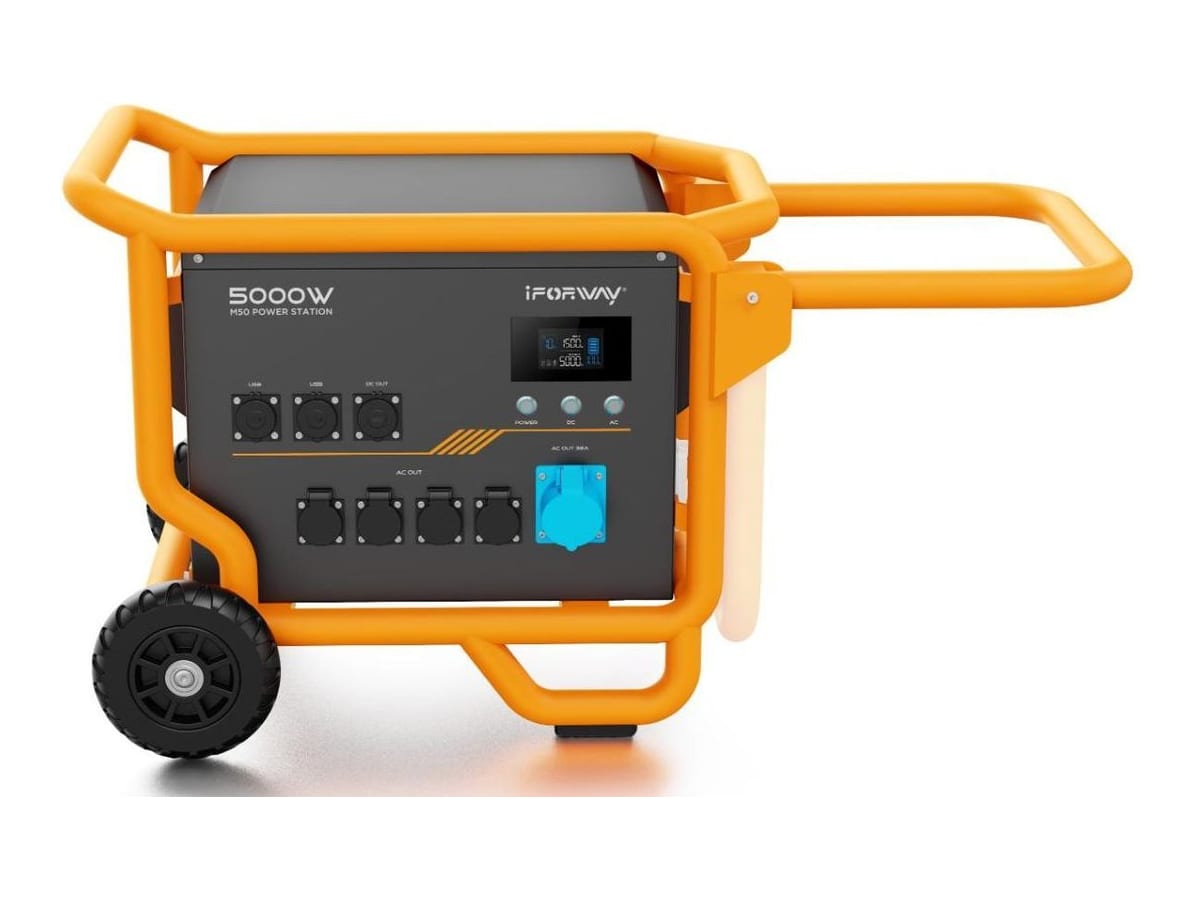
M5003 power station in its orange wheeled frame

Plan the job first

The job decides the power.

How long do the tools actually run? Can you recharge between jobs? Is there a staircase? Does the estate restrict generators? Answer these and the right unit follows.

  • Your toolsMake, model and running watts. Motors draw extra power when they start.
  • Real running timeA drill used for 30 minutes in a six-hour job needs 0.5 hours of power, not six.
  • Getting it thereFloor level, parking, lifting and weather. Wheels help on flat ground, not stairs.
  • Who paysYou, your company, the property owner or the estate.

Buy or hire

Choose how you'd use it.

Coming soon. Tell us which suits your work and we'll contact you when it's available.

For regular work

Buy a unit

If you work most days and can recharge between jobs, owning a unit usually makes sense. We'll test your regular tools on it before you decide.

Register interest in buying →

Planned trial

Hire by the day or week

For occasional jobs, we're planning a small hire trial in Sangotedo and nearby estates. Tell us your tools, dates and location, and we'll let you know if it fits.

Ask about hire →

Which unit?

Matched to the work.

Most tool work

M5003

5 kWh and up to 5,000 W from its high-power outlet, in a wheeled frame. Built for maintenance and renovation work.

See the M5003 →

Longer, lighter jobs

M5002

5 kWh and 4,500 W for long days of lighting, chargers and smaller tools.

See the M5002 →

Light work

HS3600

3 kWh and 3,600 W at 38 kg, the easiest of the three to move.

See the HS3600 →

Welding, large compressors and other heavy machinery need a separate assessment. Dust and rain protection hasn't been tested yet, so plan for covered use.

Before you buy

We'll test it on your tools.

Once our samples arrive, we'll show you how a unit handles your actual tools, not just the figures on paper.

  1. 01

    Name the tools

    We note each tool's model, power rating and how you use it.

  2. 02

    Run the job

    We test starting, running and using tools together.

  3. 03

    Measure the energy

    We record charge used, running time and any cut-outs.

  4. 04

    Choose your option

    Compare buying or hiring, transport and charging.

Tell us about your work.

Registering interest is free. Share your tools and how you work, and we'll contact you when units are available.